

Contents
 Precise Pest Control Without Toxicity? An Analysis of the Four Physical Control Mechanisms of Registration-Exempt Plant Protection MaterialsWhen facing pests and diseases, modern agriculture now has smarter technological alternatives beyond traditional chemical pesticides. Instead of relying on chemical toxicity, these solutions employ precise physical methods to deliver comprehensive “structural strikes” against pests. By analyzing the four major mechanisms of physical control, we can see how registration-exempt plant protection materials (hereafter referred to as “registration-exempt materials”) break through resistance challenges while safeguarding crop yields, farmland ecosystems, and consumer safety. 1. Why Does Modern Agriculture Need “Physical Control”?Amid climate change and food safety challenges, physical control has become a core technology for transitioning toward smart and sustainable farming. Below are three key reasons why modern agriculture urgently needs this approach. Breaking the Resistance Cycle: Why Are Thrips and Mites Becoming Harder to Eliminate?Traditional chemical pesticides typically target a pest’s nervous system or a single physiological site. Due to the extremely rapid reproduction cycles of thrips and mites (red spider mites), even a small number of individuals with genetic mutations can quickly develop resistance, causing pesticides to become less effective over time.
The Final Mile Before Safe Harvest: Solving the Dilemma Between Spraying and Residue TestingAs harvest approaches, farmers often face pest outbreaks but hesitate to spray due to pre-harvest interval (PHI) restrictions, which may lead to excessive pesticide residues and market rejection.
Definition of Registration-Exempt Materials: An Eco-Friendly and Applicator-Safe AlternativeRegistration-exempt materials refer to products with minimal environmental impact and high safety profiles that are not classified under chemical pesticide regulations.
2. Diving into the Microscopic World: The Four Key Mechanisms for Targeting PestsHigh-quality registration-exempt materials (such as citrus essential oil) can effectively dissolve the waxy layer, chitin, and even joint connections on the pest’s surface. Once pests lose this hydrophobic “protective coat,” their body structure rapidly weakens, and their defensive capability collapses instantly. Disrupting Wing Tension: Blocking Flight and Spread PathwaysFor flying pests (such as thrips and whiteflies), registration-exempt materials utilize surface tension principles to cause wings to adhere together. By eliminating flight and migration capabilities, pest damage can be confined to localized areas, preventing large-scale field outbreaks—particularly effective against migratory pests. Cuticle Collapse and Fatal Dehydration: Irreversible Physical DestructionAfter the protective cuticle is dissolved, the material further induces structural collapse, sometimes causing body fluids or internal tissues to rupture outward. This form of “physical desiccation” leads to rapid death through dehydration. Pests cannot evolve resistance against such purely physical destruction. Inhibiting Larval Growth and Feeding: Interrupting the Pest Life CycleMaterials (such as neem oil) can induce feeding deterrence and physically interfere with normal larval development. Larvae weaken and die from starvation, fundamentally reducing pest population density in the field and achieving long-term management goals. 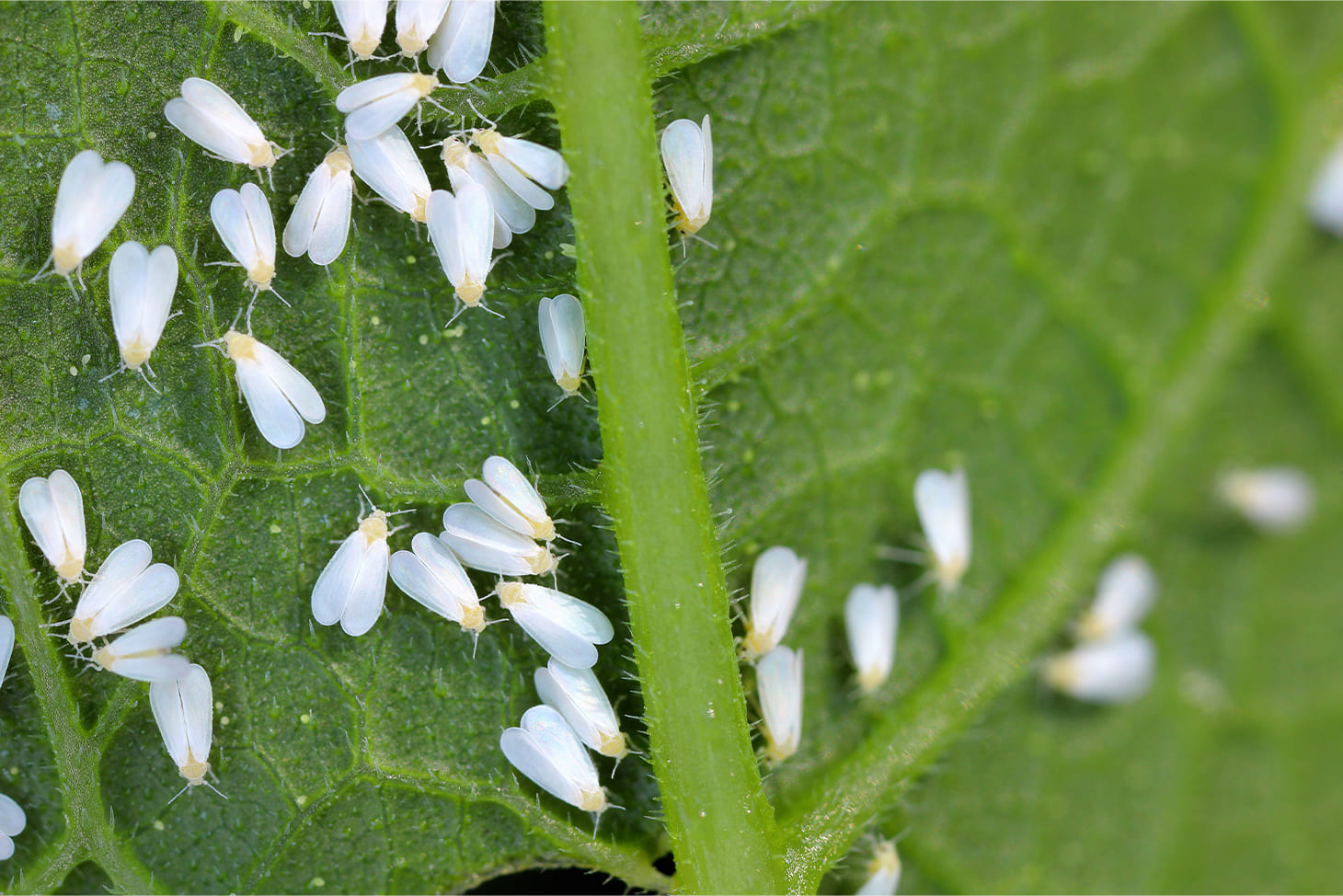 3. Two Major Practical Advantages of Physical ControlIntegrating physical control technology into field management is not only about protecting yield, but also about enhancing overall operational efficiency and safety. No Pre-Harvest Interval Restrictions: Zero-Detected Produce Earns Stronger Market PremiumsPhysical control materials are typically composed of natural or safe ingredients. Unlike conventional chemical pesticides, they do not impose pre-harvest interval restrictions. Farmers can continue protective applications during harvest, ensuring crops remain safeguarded at their most vulnerable stage. This greatly supports the achievement of “zero-detection” standards, enabling agricultural products to command higher premiums and consumer trust in food-safety-conscious markets. Improved Operational Safety: Low Irritation and No Risk of Chemical Pesticide PoisoningPhysical control materials have extremely low irritation to the respiratory system and skin, significantly improving working conditions for applicators. Farmers no longer need to endure strong chemical odors or face long-term exposure risks. This transition toward “health-conscious application” makes agricultural work safer and more dignified, providing a modern technological solution to protect frontline producers. 4. GroupGain AgriBiotech’s Technical Enhancement: How to Stabilize Physical Control?Although physical control is powerful, translating laboratory theory into stable field performance depends on advanced formulation technology. GroupGain AgriBiotech addresses the characteristics of natural materials through two core technologies to ensure maximum efficiency with every application. Ultimate Spreadability and Adhesion: Reaching Hidden Pest HotspotsThe key to successful physical control is “contact.” Thrips and mites are highly adaptive, often hiding in buds, flower centers, or leaf undersides—areas difficult for spray droplets to reach. By incorporating advanced surfactant technology, the diluted solution achieves extremely low surface tension. After spraying, it spreads rapidly like water on absorbent paper, penetrating microscopic gaps and ensuring that even deeply hidden pests cannot escape, achieving truly comprehensive coverage. Stability Engineering: Overcoming Degradation from Light and HeatMany natural plant protection materials (such as essential oils) are safe but highly susceptible to degradation from ultraviolet light and high temperatures. Through proprietary stabilization processes, GroupGain enhances environmental tolerance. The extended protective duration ensures that every investment by farmers translates into tangible and sustained protection. 5. Three Smart Evaluation Points: How to Select High-Quality Registration-Exempt Materials?Dilution Stability: Is It Easy to Emulsify and Safe for Tender Shoots?When selecting registration-exempt materials, farmers often encounter inconsistent product quality. The key to maximizing physical control performance lies not in “toxicity,” but in physical characteristics and field performance. Below are three essential evaluation criteria to help you accurately identify high-quality materials and ensure every spray translates into real protection. Physical Coverage and Penetration: Ensuring Hidden Pests Can Be “Found”The success of registration-exempt materials depends on complete pest coverage. Thrips and mites often hide in buds, flowers, or leaf undersides—areas difficult to reach with conventional spraying.
Stability Testing: Ensuring No Damage to Tender Shoots and No PhytotoxicityMany natural oils and essential oil-based materials may cause phytotoxicity under high temperatures, leading to leaf burn or shoot shrinkage.
IPM Integration: Pairing with Suitable Liquid Fertilizers to Enhance Plant ResiliencePest control should not rely on single-point attacks, but instead integrate “protection + strengthening” strategies.
ConclusionAs modern agriculture advances toward sustainability and food safety, choosing registration-exempt materials is no longer merely about passing residue testing—it represents a strategic operational decision. By leveraging the four physical control mechanisms emphasized by GroupGain AgriBiotech, farmers can break the cycle of resistance at its root while achieving precise, efficient protection without harming tender plant tissues. Ultimately, sustainable farming seeks a balance between land stewardship and productivity. By mastering the correct principles of physical control and integrating scientific IPM management strategies, farmers can protect themselves and the environment while cultivating high-quality, market-competitive produce—building a resilient defense line for the transformation of agriculture.  |
|||
|
|
|||
Maybe you would like read more:
|
|||