

Contents
 1. Cheaper to buy is not better than "being absorbed": Redefining the return on investment of fertilizationTraditional farming practices typically apply fertilizers directly to the soil. However, with climate change, soil salinization has caused nutrients to become strongly fixed in the soil. Functional liquid fertilizers act like an "IV injection" for plants. In particular, nutrients such as phosphite with bidirectional translocation properties, or calcium and boron chelated with sugar alcohols, can bypass damaged root systems and enter the plant's circulation system directly. What we promote is the concept of "precision fertilization": instead of filling damaged soil with chemical fertilizers that crops cannot properly utilize, high-quality foliar application allows plants to remain well nourished and vigorous even under stressful conditions. Wasted soil fertility: Conventional basal fertilizers often face leaching losses or stalled root absorptionAfter traditional solid fertilizers are applied to soil, their effectiveness is often greatly reduced by environmental factors. For example, during heavy rainfall, nitrogen fertilizers are easily leached away by water, while phosphorus fertilizers tend to bind with soil ions and become fixed, turning into "ineffective fertilizers" that plants cannot utilize. In addition, when drought or flooding creates stressful soil conditions, root absorption frequently stalls. Even when soil nutrients are sufficient, crops may be unable to take up nutrients due to physiological stress, resulting in significant waste of resources. From "expense" to "investment": Calculating fertilizer price per kilogram is cost, but plant utilization rate determines real profitMany farmers are accustomed to comparing the price of each bag of fertilizer when purchasing, but this often leads to a misleading decision. The real key to profitability lies in the "cost per unit of yield," meaning how many effective nutrients are actually used to produce one kilogram of fruit. If a cheaper fertilizer has an absorption rate of less than half, the remaining cost is simply washed away by rain, making it the most expensive investment in reality. Adopting functional liquid fertilizers focuses on maximizing utilization efficiency, ensuring that every input precisely translates into increased productivity and value. The role of functional liquid fertilizers: Providing immediate physiological signals and micronutrients to compensate for conventional fertilization gaps under extreme weatherFunctional liquid fertilizers do more than supply nutrients; they function like "physiological signals" delivered at critical moments. In today's era of frequent climate fluctuations, crops often suffer metabolic disruption caused by heat stress or cold damage. By supplying specific micronutrients and biostimulants through liquid fertilizers, plant physiological functions can be rapidly activated like a "booster injection." This precise application effectively compensates for the delayed response of traditional fertilization under extreme weather, providing plants with immediate protection and energy replenishment while reducing climate-related yield losses. 2. The Black Technology of Foliar Spraying: A "Nutrient Express Pathway" That Bypasses Root LimitationsTraditional root fertilization is often restricted by soil conditions, while foliar spraying technology opens a pathway for plants to absorb nutrients directly without relying on the roots. When climate fluctuations cause root systems to become dysfunctional, this highly precise method of nutrient supply ensures that essential nutrients are quickly delivered to the tissues that need them most, achieving an absorption efficiency that conventional fertilizers cannot reach. Breaking Root Absorption Barriers: When Flooded Soil Lacks Oxygen or Drought Locks Nutrients, Leaves Become the Key Feeding Gateway for Plant VitalityUnder extreme climate conditions, such as heavy rainfall that causes soil flooding and oxygen deficiency, or prolonged drought that "locks" nutrients within soil minerals, plant roots often fall into a state of physiological stagnation. Continuing root fertilization under these conditions not only fails to deliver nutrients but may also increase stress on the roots. Foliar spraying takes advantage of stomata and microscopic openings in the leaf cuticle to deliver nutrient solutions directly into the plant, establishing a reliable nutrient pathway that helps maintain basic metabolism and plant vitality even under stress. Sugar Alcohol Chelation Technology: How Calcium Chelated with Sugar Alcohol Mimics Phloem Substances for Rapid Foliar Absorption and Precise Transport to Fruits and Growth PointsCalcium is extremely difficult to move within plants, and traditional calcium supplementation often results in fruit calcium deficiency due to slow transport. The proprietary "sugar alcohol chelation technology" developed by Qun Geng uses the small molecular size of sugar alcohols and their ability to mimic naturally transported substances in the plant phloem. When calcium ions are encapsulated by sugar alcohol molecules, they can be rapidly absorbed through leaves. This technology overcomes calcium mobility limitations, directing nutrients precisely to fruits and growth points where they are most needed, greatly improving nutrient utilization and crop quality. Bidirectional Defense Mechanism: Using Phosphite as an Example to Explain Its Unique Two-Way Transport System and How It Rapidly Activates the Plant's Whole-Plant Immune ResponseUnlike ordinary phosphate fertilizers, phosphite possesses a rare "bidirectional translocation" characteristic within plants, allowing it to move quickly both upward and downward through the phloem and xylem. This mechanism enables phosphite to spread rapidly throughout the entire plant, not only providing direct defensive energy but also inducing the plant's immune system to strengthen resistance against fungal diseases and other pathogens. Preventive foliar spraying before the rainy season can provide wide-ranging protection with minimal dosage, making it an essential defense material in precision agriculture.  3. Survival Strategy Under Climate Change: Two Key Advantages of Functional Liquid FertilizersFacing the challenges of drastic climate change, crop survival is no longer determined simply by the amount of fertilizer applied, but by its "resilience" to environmental stress. Functional liquid fertilizers not only resolve invisible chemical traps in the soil, but also strengthen the plant's own physiological structure, minimizing environmental damage and ensuring that every input can be converted into final market value. Avoid Soil Antagonism and Nutrient Lock-Up: Direct Foliar Feeding Bypasses the "Nutrient Antagonism" Trap Caused by Unstable Soil pH or High Phosphorus Inhibiting Micronutrient AbsorptionIn complex soil environments, nutrients often exhibit "antagonistic effects." For example, excessive phosphorus can inhibit the absorption of micronutrients such as zinc and iron, while soil pH that is too high or too low can cause nutrients to become firmly "locked." Functional liquid fertilizers utilize chelating functional carriers such as DTPA and EDTA, allowing a wider pH tolerance range for the solution. When applied through foliar spraying, they can directly bypass these underground chemical traps and ensure crops receive precise nutrition during critical growth stages. This "detour strategy" effectively resolves physiological nutrient deficiency symptoms caused by unfavorable soil conditions. Reducing End-Stage Losses: Strengthening Cell Wall Toughness and Improving Fruit Storage and Transport ResistanceFruits enlarged by chemical fertilizers often have loose tissue structures and excessive moisture, making them highly susceptible to damage and decay during transportation. Functional liquid fertilizers, such as Qun Geng's product: Calcium Sweet Magnesium, can significantly increase crop dry matter content and antioxidant capacity, thereby strengthening cell wall toughness. Fruits with excellent storage and transport resistance can greatly reduce losses from harvest to final market sales. For farmers, reducing even a small percentage of loss directly translates into increased net profit—this is the hidden return brought by high-quality agricultural inputs. 4. Group Farming Technology Perspective: How to Evaluate the True Value of Liquid FertilizersIn the pursuit of agricultural modernization, the value of agricultural inputs should not be judged solely by the unit price on the packaging, but by the actual physiological changes they bring to plants. Through high-concentration technology and precise formulation compatibility, Group Farming Agricultural Biotechnology helps farms achieve more accurate and economically efficient fertilization goals while reducing the amount of materials applied. Creating Physiological Performance Far Beyond Broadcast Fertilizers with Minimal VolumeThe most scientific indicator for evaluating fertilizer value is "utilization efficiency," not "weight." With traditional broadcast fertilization, often less than 50% of the nutrients are absorbed by crops, while the rest becomes an invisible cost lost through leaching. High-quality functional liquid fertilizers use highly concentrated formulations. Although the application volume is small, they can bypass soil fixation and be absorbed directly through the leaves, converting every drop of nutrients into physiological energy for plant growth. This "small input, large impact" characteristic not only reduces the burden of fertilizer transportation but also significantly increases the output value of each unit of input. Precise Formulation and Compatibility Ensure Liquid Fertilizers Can Be Mixed with Registration-Exempt MaterialsAs rural labor becomes increasingly scarce and expensive, reducing the number of field operations is the most direct way to control costs. The functional liquid fertilizers developed by Group Farming offer excellent physical compatibility and can be stably mixed with registration-exempt plant protection materials, enabling "physical pest and disease control" and "efficient nutrient supplementation" to be completed simultaneously. This integrated, multi-effect spraying solution not only reduces machinery wear and fuel costs but also ensures that microbial strains and nutrient activity are not compromised by improper mixing, creating maximum management efficiency for farms. However, due to differences in physiological tolerance among crops, we strongly recommend that farmers follow the scientific principle of "separate dilution and small-scale testing" before conducting large-scale mixing. Through small-scale field trials, farmers can accurately determine the most suitable material ratios for their own farm environments. This scientifically guided management approach ensures that every input is applied precisely, ultimately achieving the goal of reduced fertilizer use with doubled efficiency. 5. Conclusion: Let Every Drop of Nutrients Be Precisely Converted into Quality and YieldIn today's increasingly challenging agricultural environment, choosing functional liquid fertilizers is no longer an additional expense, but a strategic investment that reduces risk and enhances competitiveness. Through foliar absorption and bidirectional translocation technology, we can overcome the limitations that harsh climates place on root systems, ensuring that plants still receive precise physiological support at critical moments. This model of "reducing chemical fertilizer while doubling efficiency" not only optimizes the farm's return on investment, but also reduces the burden of chemical fertilizers on the land. 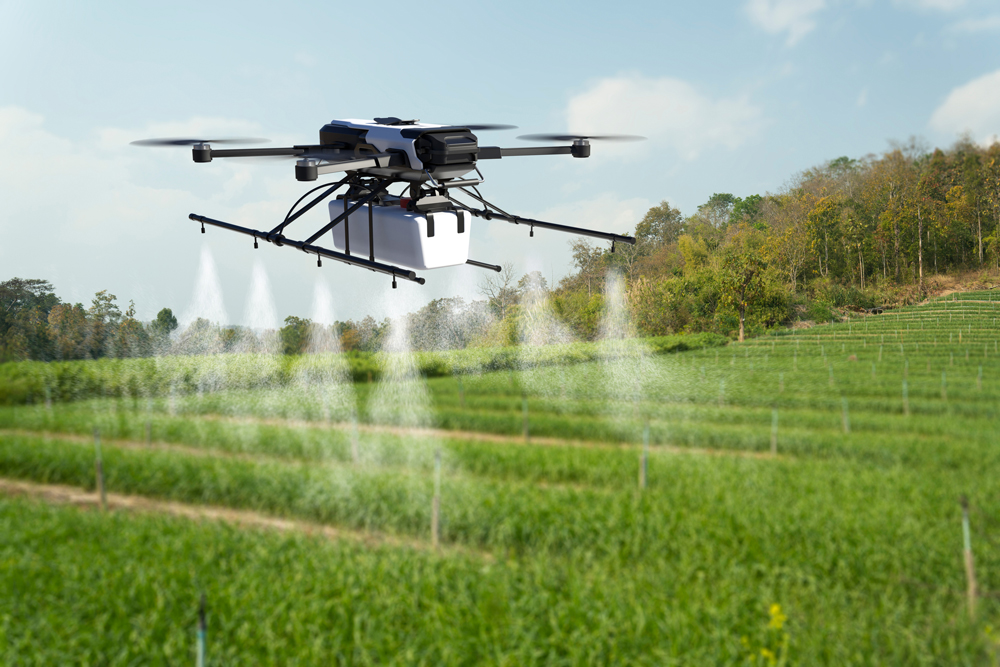 |
|||
|
|
|||
Maybe you would like read more:
|
|||