

Contents
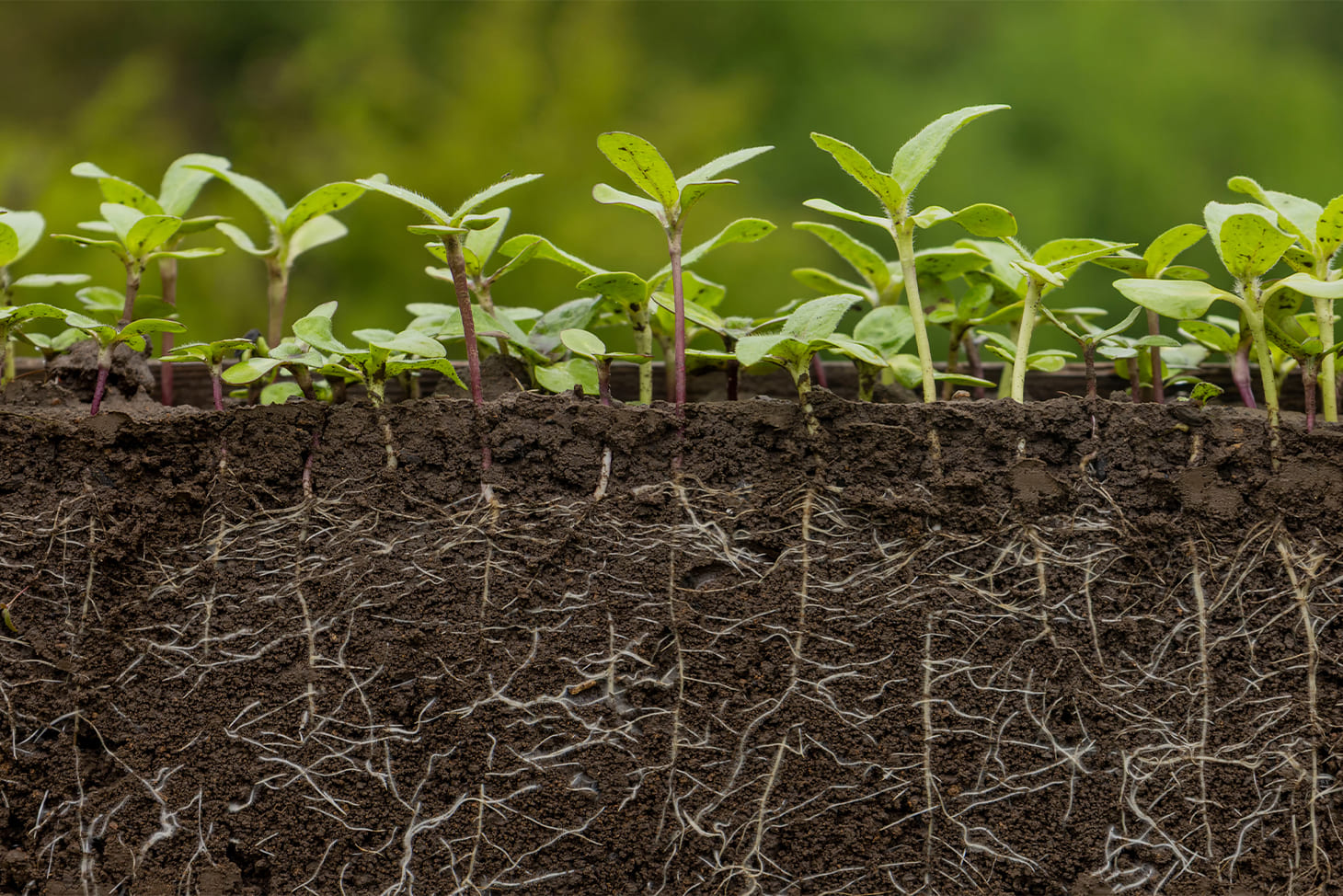 1. Why Does "Using Only Chemical Fertilizers" Actually Cause Costs to Rise Year After Year?When many farmers plan their annual budgets, they often only look at how much a bag of chemical fertilizer costs, while overlooking the long-term impact of continuous chemical fertilizer use—nutrient lock-up in the soil. In Qun Geng's program, we recommend reducing chemical fertilizer usage by 20%–30% and instead investing in highly efficient microbial materials. Although this may seem like an additional expense at first, it actually helps activate the residual nutrients that have accumulated in the soil over decades. In simple terms, chemical fertilizers are like "eating out"—once consumed, they are gone. Biofertilizers, on the other hand, are like building a "central kitchen" in the soil that continuously supplies crops with the nutrients they need. This is the true way to save money. The Vicious Cycle of Soil Salinization: Why Applying More Fertilizer Doesn't Mean Crops Can Absorb ItIn conventional farming, when crops appear unhealthy, the most instinctive reaction is often to apply more fertilizer. However, long-term overuse of chemical fertilizers causes inorganic salts to continuously accumulate in the soil, leading to soil salinization and acidification. This is similar to a person consuming high-salt food every day, eventually developing chronic health problems. The Hidden Cost of Nutrient Loss: The Nitrogen, Phosphorus, and Potassium Washed Away by Rain Are Your Hard-Earned MoneyAfter traditional fertilizers are applied, the portion actually absorbed by crops is often less than 50%. Where does the rest go? Most of it becomes an "invisible cost," flowing into drainage channels or seeping into the ground. 2. The "Cost-Saving Logic" of Biofertilizers Lies in These DetailsTo increase returns, the key is no longer applying fertilizers blindly, but awakening the nutrients already stored in the soil. Through biotechnology, accumulated nutrients can be activated and utilized, combined with precise management to optimize chemical fertilizer use. This approach reduces costs while achieving an efficient and sustainable harvest plan. Phosphate-Solubilizing Mechanism: Turning "Unavailable Fertilizer" in Soil into "Usable Nutrients"Many farmers apply large amounts of phosphate fertilizer every year, without realizing that the soil has already accumulated significant amounts of nutrients that plants cannot access. Phosphate fertilizers easily bind with cations in the soil and become fixed, making them unavailable for plant uptake. The biological material BL-888 Phosphate-Solubilizing Bacteria, developed through technology transfer collaboration with the Miaoli District Agricultural Research and Extension Station and promoted by Qun Geng Agricultural Biotechnology, contains highly efficient Bacillus licheniformis. These beneficial microbes secrete organic acids and enzymes that dissolve the "locked" phosphorus in the soil back into ionic forms that plants can absorb. In addition to activating phosphorus for crop use, beneficial microbes can also occupy root zones, indirectly protecting the root system and reducing the risk of bacterial diseases. It is like hiring a group of microscopic accountants to convert the "bad debts" in your soil into "cash" that can be withdrawn at any time—allowing you to utilize the soil's accumulated reserves without purchasing extra fertilizer. Root Expansion Strategy: Increasing Absorption Surface Area so One Portion of Fertilizer Works Like TwoFertilizer efficiency directly affects your profitability. Through microbial stimulation (such as endophytic bacteria or specific fermentation products), crops can develop more fine root hairs. The increased root surface area significantly expands the plant's "foraging range" within the soil. When roots become stronger and denser, nutrients and water that were previously unreachable or unabsorbable can now be effectively utilized. This physical improvement in absorption efficiency allows the same amount of fertilizer to produce significantly greater growth results—making it possible to reduce fertilizer input without reducing yield. The Slow-Release Effect of Organic Matter: A "Nutrient Bank" that Provides Stable Supply and Reduces Topdressing FrequencyTraditional chemical fertilizers work quickly but lose their effectiveness just as fast, forcing farmers to apply fertilizers repeatedly to maintain crop growth. Biofertilizers combined with high-quality organic matter provide a natural slow-release effect that functions like a nutrient bank, carefully regulating nutrient output. As organic matter is decomposed by microorganisms, nutrients are released slowly and continuously, ensuring crops receive a stable supply throughout each growth stage. This prevents both excessive growth caused by overfeeding and nutrient deficiency that leads to yellowing leaves. As a result, crop yield and quality become more stable, while the number of fertilization operations and fuel costs in the field are reduced—saving labor and turning those savings directly into profit. 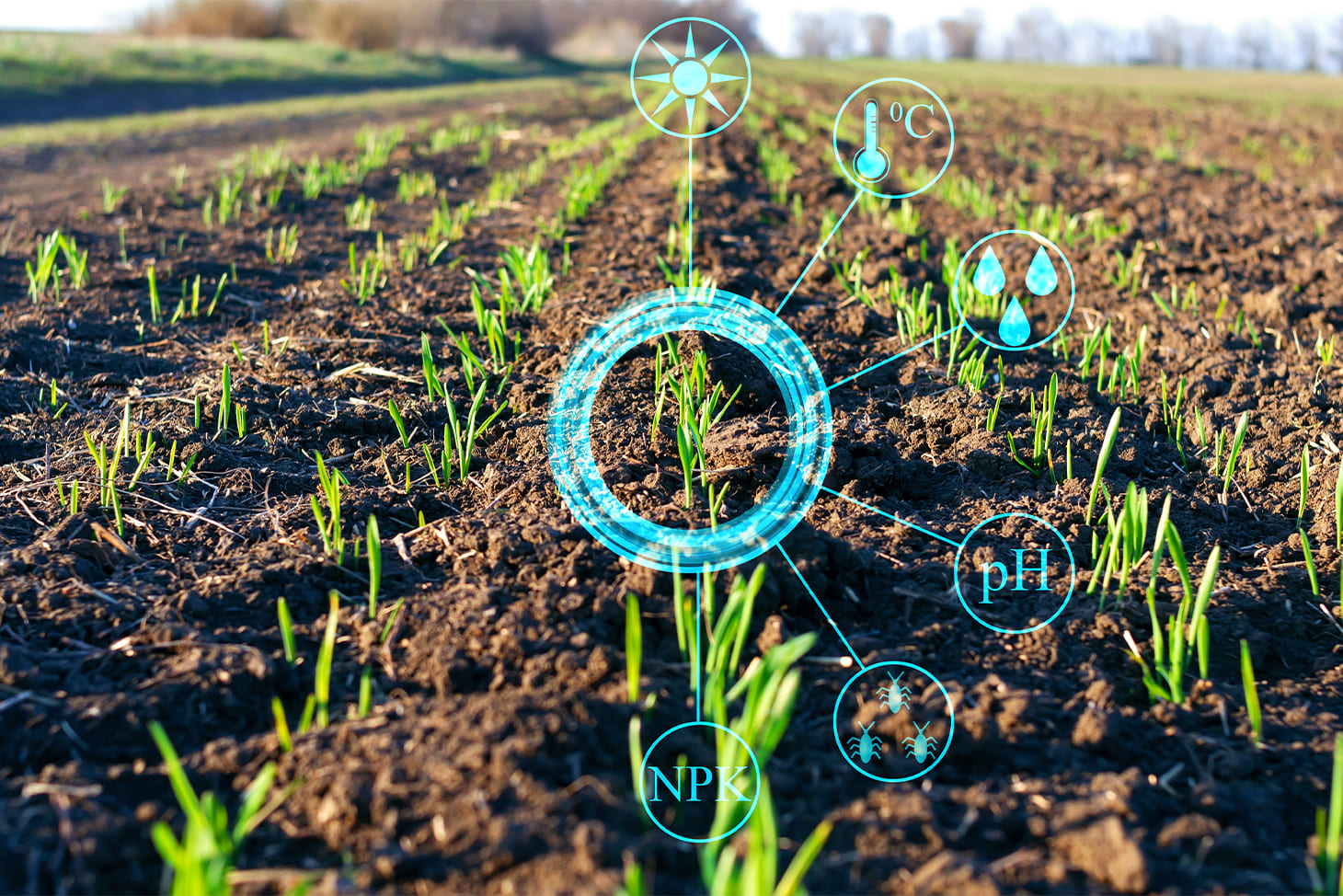 3. How to Plan a "Cost-Saving and Efficient" Annual Fertilization Program?With fluctuating fertilizer prices and the dual challenges of climate change, the traditional belief that "more fertilizer leads to higher yields" is no longer applicable. The true way to save money is not simply by purchasing cheaper fertilizers, but by applying scientific management so that every dollar is spent where it matters most. Base Fertilization Stage: Build a Strong Soil Nutrient Database — Improve Soil Aggregate StructureBase fertilization forms the foundation of the annual plan, with the goal of creating a healthy "nutrient reservoir." Qun Geng recommends using high-quality organic fertilizers as the foundation, while simultaneously inoculating the soil with specialized microbial strains. Organic matter acts like a sponge, improving soil aggregate structure, increasing aeration, and enhancing water retention. Meanwhile, microorganisms establish a vast biological database within the soil that converts and stores nutrients. By preparing the soil during the base fertilization stage, we activate the soil environment in advance, ensuring that every unit of fertilizer applied later is properly retained rather than being washed away by rain. Topdressing Stage: Precision Application and Physiological Activation — Deliver Nutrients Precisely During Key Growth StagesDuring the topdressing stage, the strategy should shift from "broad application" to "precision feeding." Based on different crop development stages (such as the tillering stage, flower bud differentiation stage, or fruit expansion stage), we streamline the use of chemical fertilizers and combine them with biostimulants. This approach not only supplies nutrients but also sends signals that accelerate nutrient absorption in plants. This "reduced chemical fertilizer, doubled efficiency" application model ensures that nutrients reach crops precisely when they need them most, avoiding unnecessary waste and achieving both cost savings and efficient production. 4. What Impact Do These "Strategic Differences" Have on Long-Term Farming?In the long run, the strategic differences between biofertilizers and chemical fertilizers determine whether a farm possesses strong resilience or remains fragile when facing extreme climate conditions and an increasingly competitive market. According to field trials conducted by Qun Geng in the Changhua region, through precise fertilization and grass-covered cultivation, ecological farms achieved more than a 15% increase in fruit dry matter weight during the harvest period. The Hidden Premium of Stress Resistance: Reducing Loss Compensation Caused by Extreme Climate EventsIn today's era of frequent climate change, droughts, heavy rainfall, and cold waves have become common occurrences. Crops that consistently receive organic fertilizers, microbial inputs, and biostimulants develop deeper, denser root systems and stronger cell walls. This "hidden premium" is not always visible during normal conditions, but when disasters strike, plants strengthened by biological stimulation recover much faster and experience significantly lower damage rates. Avoiding even a single round of post-disaster replanting costs and yield losses often provides value far beyond the savings from fertilizer expenses. Crop Quality and Storage Durability: Reducing Post-Harvest Losses Effectively Increases IncomeFruits produced primarily with chemical fertilizers often contain more water and have looser tissue structures. While they may appear larger, they are typically less suitable for storage. Biofertilizers enhance crop dry matter content and antioxidant capacity. This means that harvested fruits not only have firmer flesh and richer flavor profiles but also exhibit excellent storage and transportation durability. During delivery to auction markets or export processes, reducing even a small percentage of loss translates directly into tangible net income for farmers. Land Value and Sustainability: Leaving Fertile Soil for the Next GenerationLand is a farmer's most valuable asset. Conventional farming methods may lead to soil salinization and abandonment within a decade, whereas integrated biological input programs focus on "nurturing the soil." A healthy soil microbial ecosystem continuously decomposes organic matter and cycles nutrients. This approach is not only for the current growing season but also ensures that the land remains highly productive for the next ten or even twenty years. What is passed down to future generations is not exhausted soil, but a vibrant and fertile land capable of generating lasting prosperity. 5. Make the Smartest Allocation for Your Annual Budget: 3 Key Points to Review in Your Fertilization PlanWhen planning your annual fertilization budget, it should not be viewed as an "expense," but as an "investment." To achieve the highest return on this investment, be sure to conduct a final review based on the following three key points before placing your order. Start with a Soil Health Check: If You Don't Know What's Missing, Adding More Is Just WasteMany farmers apply fertilizer based on experience or by simply "using whatever the neighbor is spraying." But if your soil already has excessive phosphorus, adding more phosphorus fertilizer will not only fail to be absorbed, but may also cause nutrient antagonism and soil compaction. Compatibility Between Microbial Strains and Fertilizers: Avoid Ineffective Investment Caused by Improper MixingThe core of biofertilizers lies in "live microorganisms." If you directly mix strong fungicides or highly concentrated chemical fertilizers with microbial inoculants, those costly beneficial microbes may lose their activity before they even enter the soil. Calculate "Cost per Unit of Yield," Not "Price per Bag of Fertilizer"This is one of the most common decision-making mistakes. A cheaper fertilizer may end up costing more overall if its absorption rate is low and it requires more frequent applications. ConclusionThis "cost-saving and efficient" annual plan has only one core goal: to maximize your return on investment. By choosing the professional guidance of Qun Geng Agricultural Biotechnology, we not only help you improve soil health, but also help reduce your expenses—turning your land into an asset that can continue to grow in value.  |
|||
|
|
|||
Maybe you would like read more:
|
|||