

Contents
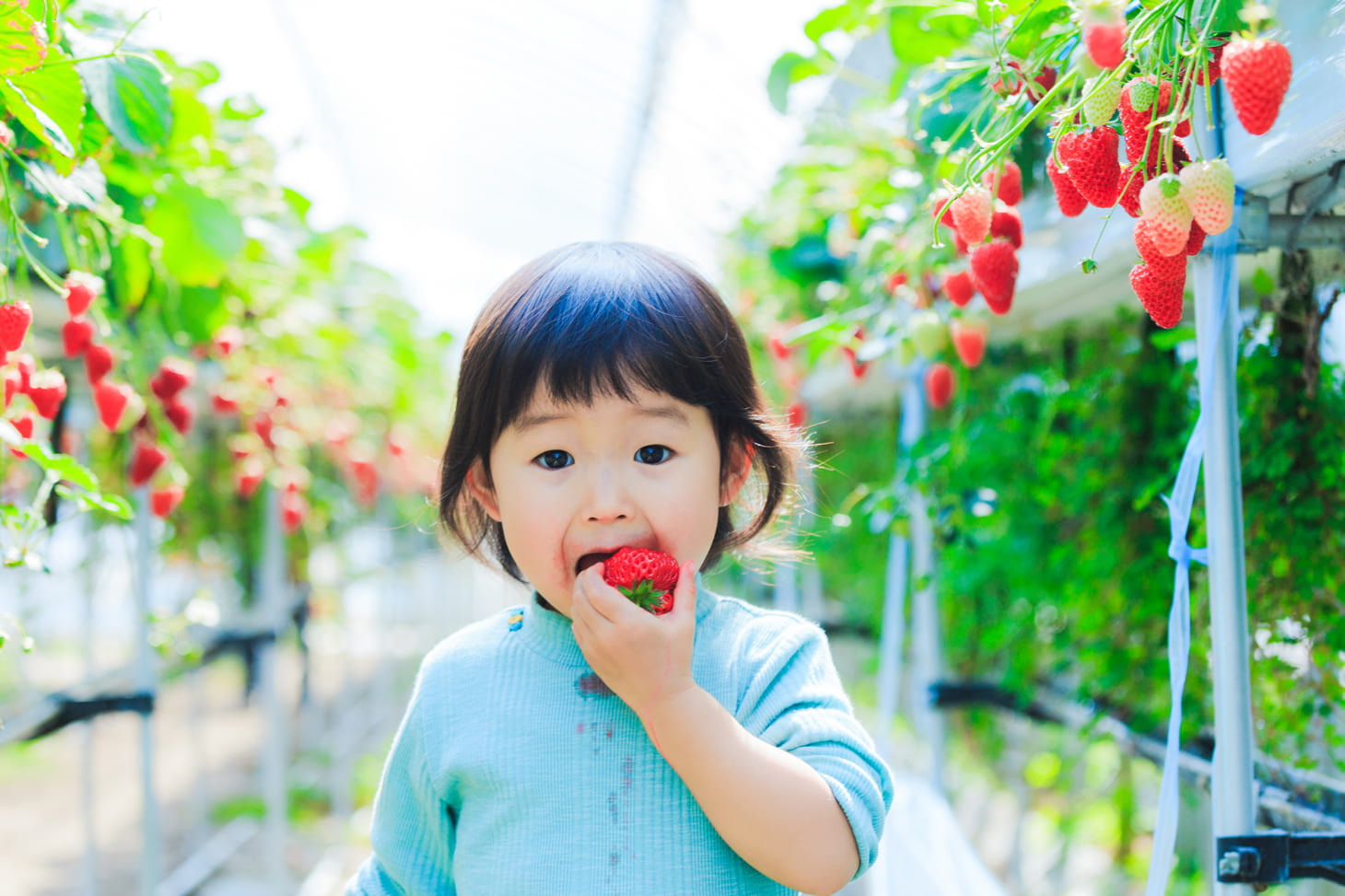 1. Why Does Agriculture Need "Non-Pesticide Materials"?In today's agricultural production environment, "how to help crops grow better and achieve higher yields" is no longer the only concern. As cultivators, we are facing an unprecedented turning point. Traditional conventional farming methods are gradually colliding with the dual barriers of science and market demands, and the rise of non-pesticide materials is opening a sustainable path forward amid these challenges. Bottlenecks of Conventional Farming: From resistance cycles and pesticide residue risks.For a long time, chemical pesticides have been the most direct and relied-upon weapon for farmers to combat pests and diseases. However, this force-against-force approach has trapped agriculture in a difficult-to-escape cycle of resistance. Shift in the Consumer Market: Why "zero detection" and "environmentally friendly practices" have become the key to a win-win solution.As consumer awareness rises, public expectations for food safety have shifted from simply "having no immediate issues" to actively pursuing purity.
Group Gain Biotechnology's Perspective: Non-pesticide solutions are not about "giving up defense," but about a "smarter upgrade."We firmly believe that "eco-friendly cultivation" should not come at the cost of yield. Introducing non-pesticide materials upgrades the defense strategy from "chemical eradication" to "physical blocking" and "immunity enhancement." This approach is not only intended to meet residue testing standards required by distributors, but also to give the land room to breathe and restore a balance between nature and science in agriculture. 2. The Protective Power of Physical Control Lies in These DetailsWhy can seemingly mild non-pesticide materials become a powerful weapon against stubborn pests? The key lies not in toxicity, but in precisely engineered "physical blocking." Suffocation and Blocking: Eliminating the survival space of small pests.When dealing with extremely small pests such as thrips, mites (red spider mites), or whiteflies, chemical pesticides often fail to eradicate them due to their rapid reproduction and avoidance behaviors. Physical control takes a completely different approach: directly depriving them of their most basic survival requirement—breathing. Spiracle Blockage Mechanism: How oils and natural polymers precisely coat pests, causing thrips and mites to suffocate.Most small pests exchange gases through spiracles located on both sides of their bodies. The high-purity oils and natural polymer materials developed by Group Gain Agricultural Biotechnology are engineered with industrial-level precision and proprietary emulsification technology, giving them strong hydrophobic and lipophilic properties. Surface Contact Properties: Spreading and adhesion — why "even coverage" matters more than "heavy spraying."In field practice, many farmers hold the misconception that "spraying until it drips delivers the best results." However, in physical control, coverage—not volume—is what truly matters. Group Gain's field experience: Traditional pesticide application may emphasize "quantity," but physical control focuses on "quality."A single high-quality, comprehensive, and finely applied spray is far more effective than three rounds of careless double dosing. This is why we emphasize that choosing materials with excellent spreading capability can help farmers significantly reduce both chemical costs and labor. 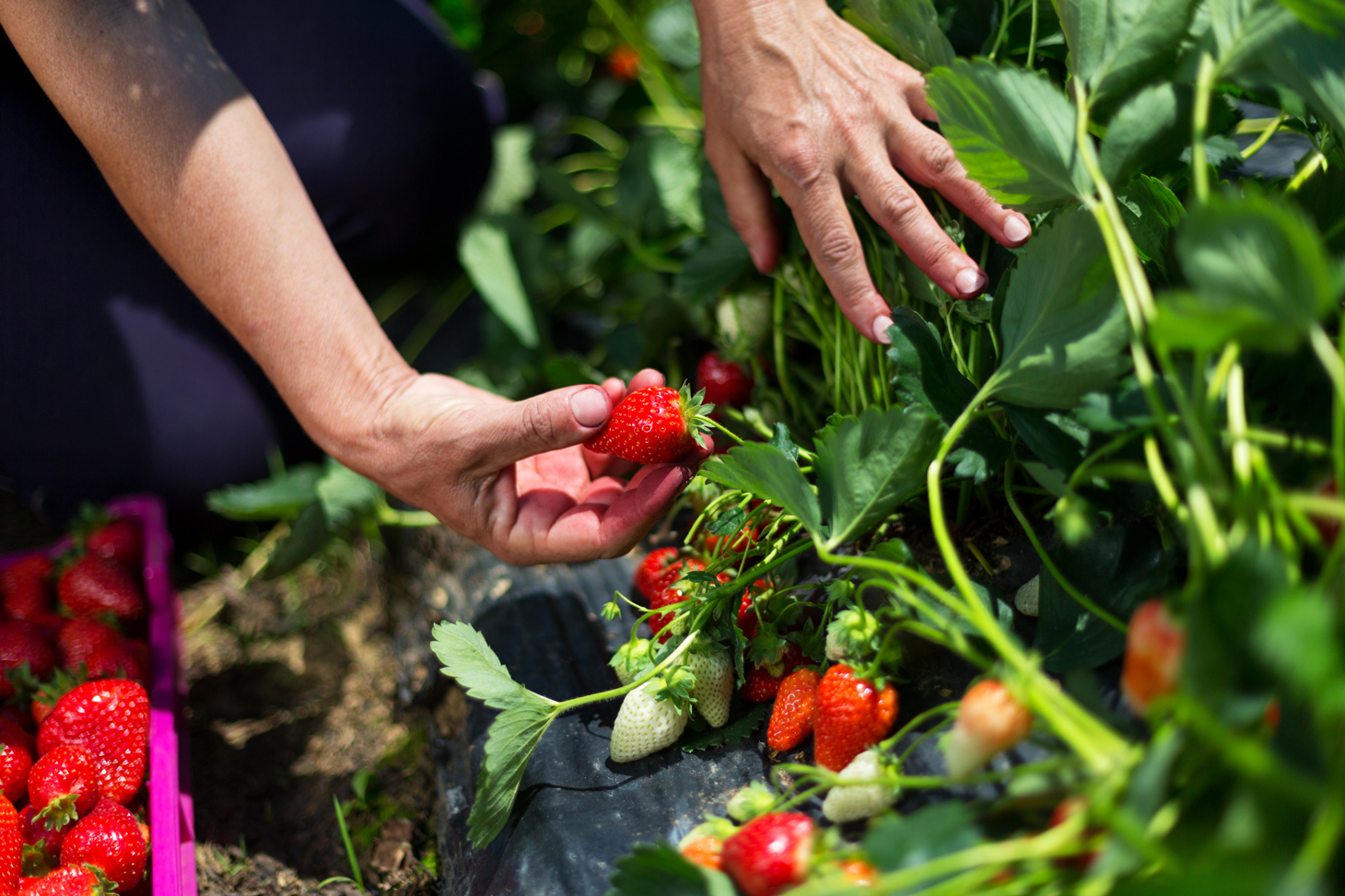 3. How Do These "Physical Mechanisms" Differ from Chemical Pesticides in Practical Use?Many people mistakenly believe that non-pesticide materials are merely a "milder" alternative. In fact, from their scientific mechanisms to field applications, they are fundamentally different from chemical pesticides. No Risk of Resistance: Physical disruption cannot be resisted through genetic evolution, ensuring long-term effectiveness.Chemical pesticides typically act on a single physiological target in pests, such as nerve receptors or specific enzymes. Because pests reproduce rapidly, even a small number of individuals with genetic mutations can develop resistance, causing the chemicals to become increasingly ineffective over time. Seamless Harvest Integration: No pre-harvest interval restrictions, resolving the dilemma of spraying before harvest.This is likely the point farmers feel most strongly about. In conventional farming, a pest outbreak just before harvest is the biggest concern—spraying risks failing residue tests, while not spraying means watching their hard work be damaged by pests. Environmental Friendliness and Safety: Protecting the health of applicators.The long-term exposure to traditional chemical pesticides can cause lasting harm to the body and lead to irreversible negative effects on health. Group Gain Biotechnology's Perspective: Shifting from "confrontation" to "management."Chemical pesticides are like "heavy artillery" in the field—powerful but accompanied by many side effects. Non-pesticide materials, on the other hand, function more like an "intelligent defense system." They not only address the issues of residues and resistance but also enable farmers to protect yields in a safer and more efficient way. 4. Key Technology: How Does Group Gain Biotechnology Enhance the Stability of Non-Pesticide Materials?Many farmers perceive non-pesticide materials, such as plant essential oils or biological formulations, as "safe but inconsistent in effectiveness" or "having a short shelf life." This is because natural ingredients are highly susceptible to environmental factors—such as strong light, high temperatures, and air exposure—which can cause them to degrade. Special Fermentation and Extraction Processes: Overcoming the weaknesses of natural materials that are easily affected by photodegradation and oxidation.Active compounds in natural plants, such as terpenes and polyphenols, are extremely fragile during harvesting and processing. Once exposed to ultraviolet light or oxygen, their molecular structures can change, significantly reducing their effectiveness in pest control. Group Gain's CommitmentWe fully understand the hard work farmers endure while applying treatments under the scorching sun, which is why we hold ourselves to nearly uncompromising standards for "stability." Through these process optimizations, Group Gain's non-registered plant protection materials can still deliver precise and effective control even in Taiwan's hot and humid climate, ensuring that every dollar you invest translates into real, reliable protection. 5. Build a New Line of Defense for Your Fields: 5 Key Considerations When Selecting Non-Pesticide MaterialsDilution Stability: Does it emulsify easily without harming young shoots?High-quality non-pesticide materials, especially oil-based formulations, should quickly emulsify into a uniform milky liquid when mixed with water, without any floating oil or sediment. Ingredient Purity: Does it contain hidden heavy metals or chemical substances?Labeling a product as natural does not necessarily mean it is completely safe. Some low-quality materials may have unclear origins or may even be illegally adulterated with undisclosed chemical pesticides or heavy metals. Targeted Effectiveness: Are there proven data targeting specific problem pests such as thrips and spider mites?Non-pesticide materials are not a "cure-all," and high-quality brands conduct targeted research on specific pests. Crop Safety: Will it cause phytotoxicity under high-temperature conditions?Taiwan's hot climate can easily cause many natural materials—such as neem oil or certain essential oils—to produce phytotoxic effects under high temperatures, resulting in leaf burn. Professional Integrated Pest Management (IPM) recommendations.Products are only tools—the key to success lies in proper application and timing. Key detail: A quality supplier does more than sell products; they also provide Integrated Pest Management (IPM) guidance. For example, how to use yellow sticky traps for monitoring, or when to combine probiotics to strengthen plant root systems. Group Gain Biotechnology offers comprehensive technical consulting services, enabling materials to deliver protection that achieves more than the sum of their parts (1+1>2). Choose Group Gain, Choose to Be a Sustainable ProducerGroup Gain was founded with a commitment to honoring this land. Non-pesticide materials are not merely substitutes for chemical pesticides; they represent a smarter and more professional philosophy of cultivation.  |
|||
|
|
|||
Maybe you would like read more:
|
|||